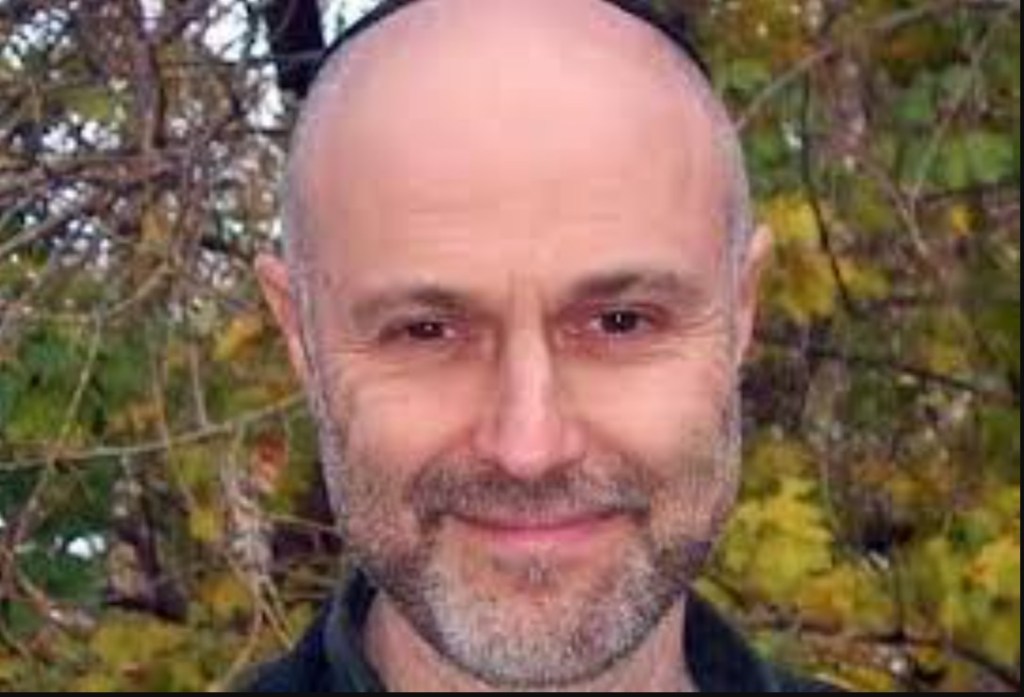
Call of the Shofar was a spiritual development organization founded by Steven (Simcha) Frischling. The group operated for several years with little public attention before receiving extensive media coverage starting in late 2013. The ensuing debate centered on the group’s methods and whether they were compatible with Orthodox Jewish law.
Frischling, who had a background in Torah study and personal development programs, presented Call of the Shofar as a series of educational workshops. He maintained that the programs were designed to help individuals with personal and relational growth and were not a substitute for professional therapy or traditional Jewish practices. The organization’s programs included three-day weekend retreats and ongoing teleconferences.
The group’s growing popularity, particularly within the Chabad-Lubavitch community, brought it under scrutiny. Critics raised concerns that the program’s techniques resembled Large Group Awareness Training (LGAT) practices. Specific methods, such as “carpet work,” intensive self-disclosure, and the use of exercises that encouraged participants to be cut off from the outside world, drew comparisons to other controversial programs.
Accusations arose that the program was “cultlike.” Rabbi Shea Hecht, an expert on cults, initially described it as a “kosher cult,” but clarified that this did not mean it was forbidden under Jewish law. He suggested the group used mind-control tactics for therapeutic purposes, likening the program to an “antibiotic” for those in need of therapy.
The controversy intensified when prominent rabbinical figures weighed in. The Crown Heights Beth Din, after an investigation, declared that participation in the program was forbidden under Jewish law until its methods were deemed permissible. They were joined by the Vaad Rabbonei Lubavitch, who expressed concern that the techniques, not grounded in traditional Chasidic teachings, might contain elements of avoda zara, or idolatrous practices.
Frischling publicly denied the accusations of being a cult leader. He stated that his programs were in line with Orthodox Jewish law and provided a list of rabbinical approbations to support this claim. However, one of these, from Rabbi Shmuel Kamenetsky, was later withdrawn following the controversy. Frischling’s rabbinic ordination from the Pirchei Shoshanim distance-learning yeshiva was also reportedly revoked.
Despite the rabbinic denunciations, some members of the Chabad community and other Jewish figures defended the program. They cited the positive personal experiences of participants and maintained that the group provided a valuable venue for spiritual and emotional growth. Frischling stood by the Jewish nature of his program, stating that it was an “Orthodox and kosher venue” that had received thousands of positive testimonials.
Key Sources:
ChabadInfo. (2014, October 22). Call of the Shofar is back!
Dickter, A. (2014, February 19). Chabad leaders clamp down on unorthodox group therapy sessions. Jewish Telegraphic Agency.
Dickter, A. (2014, February 19). The man behind Call of the Shofar. Jewish Telegraphic Agency.
Hecht, S. (2013, December 17). Call of the Shofar is a Cult. COLLive.
Runyan, J. (2014, January 9). Call of the Shofar. The Jewish Times.
 Encyclopedia of Cults, Sects, and New Religious Movements