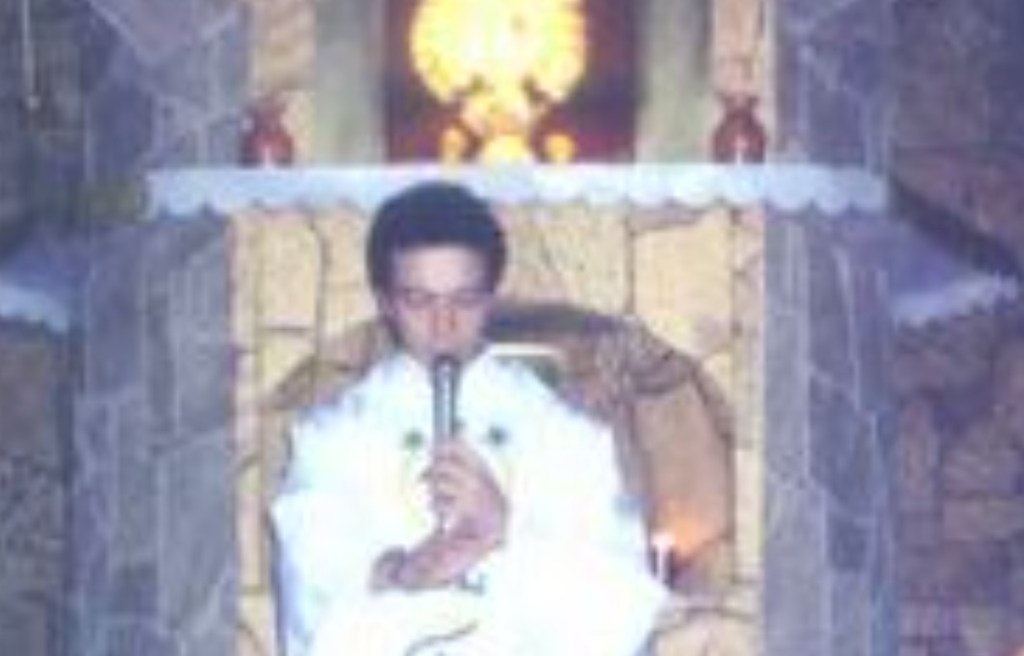
The Queen and Lady of All Creation is a Costa Rican religious organization founded in 2000 by Juan Pablo Delgado. Delgado, who was in his early twenties at the time the group gained public attention, claims to receive and transmit direct messages from the Virgin Mary. The organization became widely known for its apocalyptic predictions, allegations of violence, and the involvement of a former priest from Texas who had previously been removed from ministry.
The group originated following a split between Delgado and Eugenio Rodriguez, the leader of a similar movement based in Heredia, Costa Rica. After their separation in April 2000, Delgado relocated to San Isidro de Grecia, where he established a compound on land donated by a follower. The group’s teachings emphasize devotion to the Virgin Mary, the patron saint of Costa Rica, while incorporating elements outside traditional Catholic doctrine. Delgado predicted that the world would end in December 2003 and claimed he would eventually become pope.
From its early years, the organization attracted allegations of fraudulent practices and cult-like behavior. Catholic Church officials in Costa Rica and San Antonio publicly denounced the group, stating that its teachings and rituals lacked legitimacy. Critics cited Delgado’s display of “stigmata,” wounds on his hands and feet resembling those associated with the crucifixion, as evidence of deception. Former associates alleged that the injuries were self-inflicted. Delgado reportedly maintained that only he could see and hear the Virgin Mary, positioning himself as the exclusive interpreter of divine instruction and financial obligations.
Reports of intimidation and violence emerged alongside these allegations. In 2003, Father Glen Gomez, a spokesperson for the San Jose Diocese, was reportedly hospitalized after being assaulted by individuals linked to the group following his public warnings. Journalists and child welfare advocates reported being threatened or having their equipment confiscated when attempting to investigate the compound. A former member seeking the return of funds she had donated alleged that Delgado became aggressive when she refused to contribute additional money, claiming he damaged her property and delivered a message, purportedly from the Virgin Mary, that authorized followers to kill her.
Additional concerns arose later in 2003 when Alfredo Prado, a former priest from San Antonio, joined the compound as spiritual advisor and chief celebrant. Prado had been removed from clerical duties in 1991 by the Oblate Fathers following allegations of child molestation, which he denied. His presence drew scrutiny due to the residence of several teenage boys at the compound. Casa Alianza, an international child welfare organization, raised concerns about Delgado’s practice of encouraging families to send their sons to live at the sanctuary, citing reports of possible sexual abuse.
The group sustained itself through donations from followers, who reportedly included professionals such as lawyers and engineers. Delgado used alleged messages from the Virgin Mary to direct members to donate money, property, and other assets. Some residents of San Isidro de Grecia described the organization as socially disruptive. One neighbor reported losing his family and property to the group and later divorcing his wife due to concerns for his personal safety.
Although the predicted end of the world in December 2003 did not occur, and multiple bishops publicly condemned the group, it retained followers into the mid-2000s, including a small number in Texas. The Catholic Church has continued to caution the public that the group’s sacraments are unauthorized and that its claimed apparitions have no recognized spiritual validity.
Key Sources:
Catholic News Agency. (2003, November 16). Archbishop of San Antonio warns Catholics of Costa Rican cult.
DeLoach, M. (2003, December 31). Former Midland priest leads ‘cult’ after abuse allegations. The Midland Reporter-Telegram.
Moore, E. (2003, October 26). Disgraced Priest Finds Home in Secretive Sect. The Houston Chronicle.
 Encyclopedia of Cults, Sects, and New Religious Movements