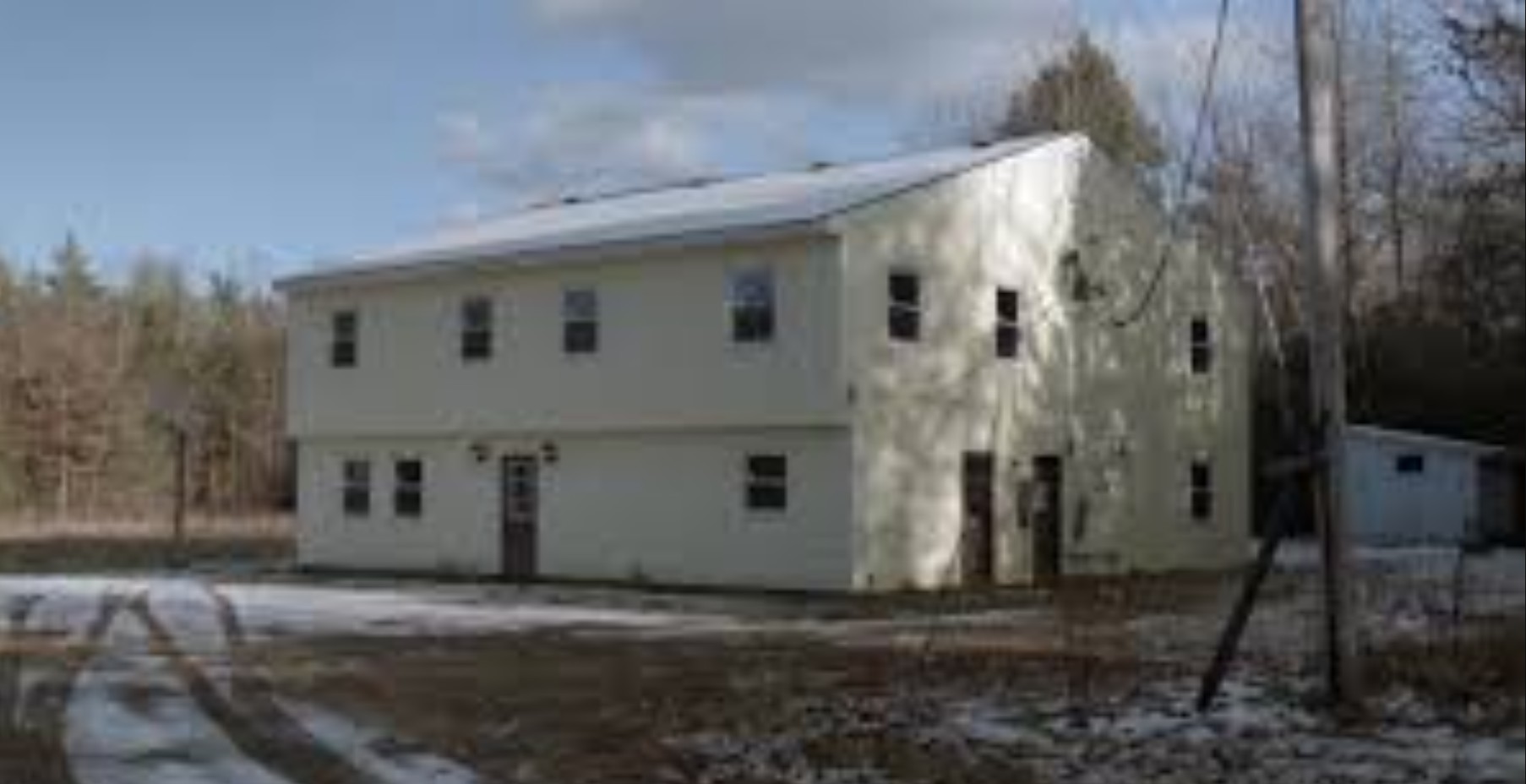
The Élan School was a private residential behavior modification program and therapeutic boarding school that operated from 1970 until 2011. Located on a 33-acre campus in Poland, Maine, it was a member of the National Association of Therapeutic Schools and Programs and presented itself as a facility for teenagers who had not responded to other interventions. Over time, the institution became associated with ongoing controversy, particularly as it transitioned from an adult-focused drug rehabilitation center to a structured program for adolescents.
The school was formally established in 1971 by Joseph Ricci, a former heroin user involved in treatment programs, along with psychiatrist Gerald Davidson and investor David Goldberg. Ricci served as executive director until his death in 2001, after which leadership passed to his widow, Sharon Terry. The program’s methods were based on the “therapeutic community” model, influenced by groups such as Synanon. This approach included confrontational techniques, public criticism, and a structured hierarchy in which students, referred to as residents, were involved in monitoring and disciplining one another.
During its early years, Élan focused on treating adult addiction before shifting its focus to teenagers between the ages of 12 and 19. The program operated year-round, with an average stay of about two years, though some students remained for up to four years. Tuition costs were reported to range between $44,000 and $55,000 annually. Supporters described the program as effective in addressing behavioral issues, while critics raised concerns about isolation, sleep schedules, and the level of psychological pressure placed on participants.
Concerns about conditions at the school appeared early in its history. In 1975, officials in Illinois removed eleven children from the program following reports of mistreatment. By the late 1970s, local law enforcement in Maine had begun documenting allegations, although access to the campus was often limited. Former residents described a system in which minor rule violations—such as smiling without permission, looking out a window, or speaking loudly—could lead to disciplinary actions. These included extended cleaning tasks or being required to wear costumes while acting out assigned roles.
One of the most widely reported practices within the program was known as “The Ring.” In this activity, a student was required to enter a boxing ring and fight other students in succession, often in front of a group of peers and staff. According to the program’s stated rationale, the exercise was intended to address behavioral issues through confrontation and exhaustion. In 1982, a 15-year-old student, Phil Williams, died from a brain aneurysm after participating in a boxing match. A cold case investigation was later opened by the Maine State Police in 2016, though no charges were filed.
Another central feature of the program was the use of “General Meetings,” during which a single student would be confronted by the larger group through extended verbal criticism. These sessions were intended to produce emotional responses, though critics argued they contributed to coercion. The school’s methods gained national attention through connections to legal cases, including that of Michael Skakel, a nephew of Ethel Kennedy. Skakel attended Élan in the late 1970s, and during his 2002 trial for the 1975 murder of Martha Moxley, testimony indicated that statements attributed to him were made after extended time in “The Ring.” His conviction was later overturned.
Communication within the school was tightly controlled. Students were required to earn the ability to make phone calls, which were monitored by staff. Calls that included negative remarks about the program could be terminated, and future privileges could be revoked. Students were also instructed to write letters to their families that reflected positively on the school. Sleep schedules were also regulated; some accounts indicated that academic instruction took place between 7 p.m. and 11 p.m., a structure attributed to Ricci.
Oversight of the school differed across jurisdictions. The Maine Department of Education licensed the facility, and law enforcement visits did not always result in charges. However, other states raised concerns. In 2007, the New York State Education Department conducted an unannounced visit after funding placements at the school. Investigators reported observing students restraining peers and noted instances of sleep disruption and verbal conflict. Following the visit, New York officials withdrew support and stopped sending students.
The school closed in 2011 following a combination of financial challenges and increased public scrutiny. In the late 2000s, former residents began sharing detailed accounts of their experiences on online platforms, including Reddit. These accounts contributed to declining enrollment. On March 23, 2011, Sharon Terry announced that the school would close on April 1, attributing the decision to the impact of negative information circulating online.
After its closure, the campus in Poland remained vacant. In late 2024 and early 2025, several buildings on the property were damaged or destroyed by fires. Authorities later arrested two 18-year-olds and identified two minors in connection with the incidents.
Key Sources:
Keithley, J. (2024, November 18). Looking back at Elan School’s notorious past after fire destroys building at former campus. WMTW.
Meyer, J. (2011, March 23). Elan School closing after Web campaign to shut it down. The Lewiston Sun Journal.
St. John, W. (2002, June 2). Skeletons in the Classroom. The New York Times.
Voornas, L. (2023, June 14). Boarding School of Horrors in Poland, Maine, only shut down a decade ago. WHOM.