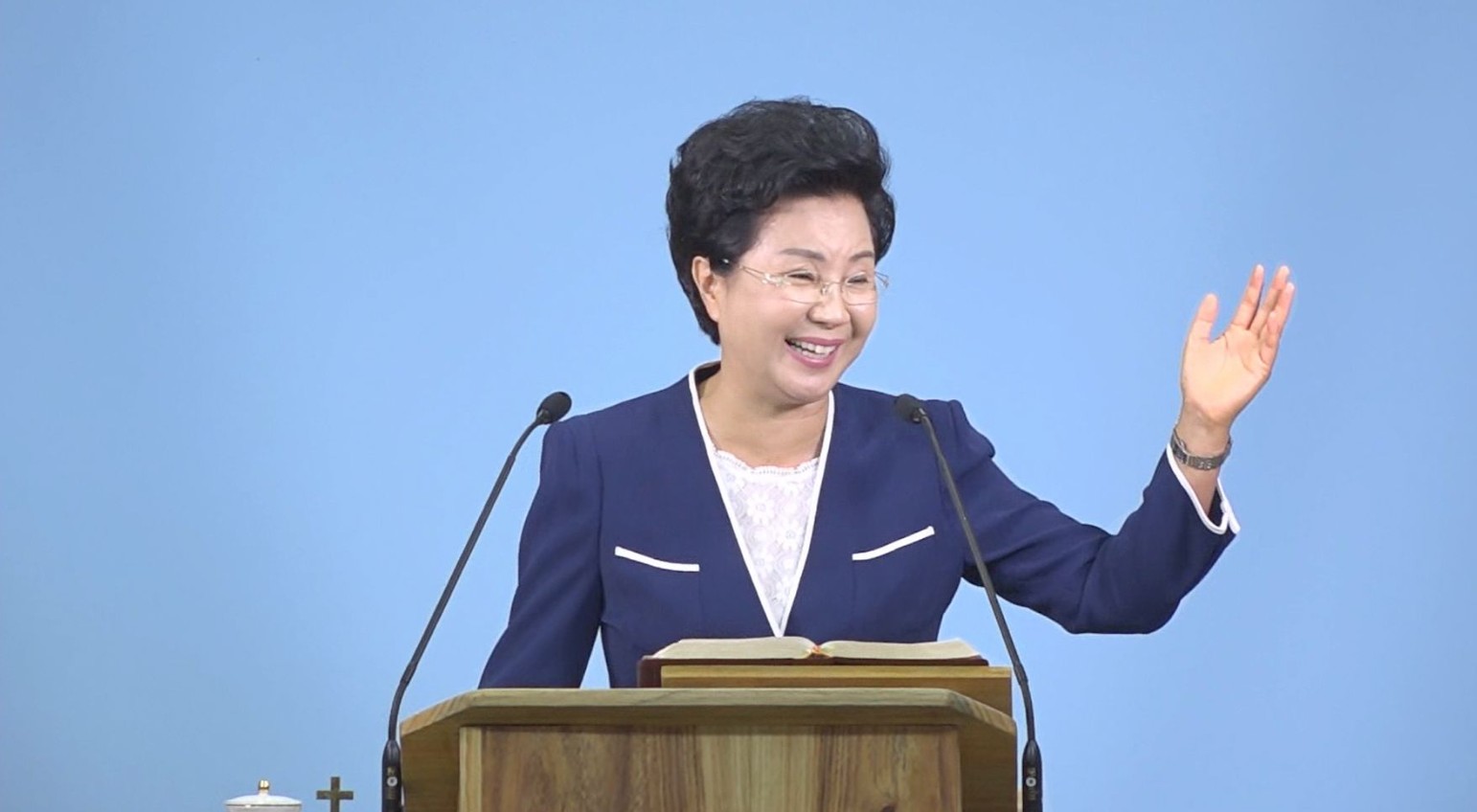
Grace Road Church is a South Korean religious movement founded in 2002 by Pastor Shin Ok-ju, also known as Ok-joo Shin. It began as a small group and grew into an organization with roughly 1,000 followers. Shin’s early teachings centered on the belief that a global famine was imminent. She taught that true believers needed to relocate to a designated sanctuary to survive the coming crisis while awaiting the second coming of Christ.
In August 2009, Shin established the Paul Apostolic Academy, which became central to the movement’s development. Over the following years, the church expanded its membership and organizational structure. To find a suitable location, the church sent a missionary to investigate about 60 countries. Leadership eventually chose Fiji, which it identified as the biblical center of the world.
In 2014, roughly 400 members relocated there. After arrival, church leaders were accused of confiscating followers’ passports, an allegation that became a recurring theme in later accounts from former members. Fijian religious groups, including the Methodist Church, voiced concern soon after the group’s arrival, calling it a cult and questioning its treatment of members.
The church also built a commercial presence in Fiji, establishing the Grace Road Group (GRG), led by Shin’s son, Daniel Kim. GRG expanded into agriculture, construction, restaurants, retail, and beauty salons, employing hundreds of Korean and Fijian workers.
The conglomerate secured government contracts, including renovation work on the presidential residence, and built relationships with senior officials during Frank Bainimarama’s tenure as prime minister. Former members later alleged that church leadership required them to provide unpaid services, including spa treatments and massages, to prominent local politicians.
As the church and its businesses grew, so did allegations about conditions within the community. Former members and other sources described physical abuse, forced labor, and psychological pressure. One early legal case, filed in the U.S. in 2014, involved a man with schizophrenia who sued Shin, alleging she attempted to cure him through prayer by binding him with duct tape and withholding his medication. The suit claimed this caused gangrene and led to the amputation of his leg.
Other former members described collective disciplinary rituals called “ground threshings” or “the threshing floor,” documented in media reports and video footage by 2018. During these rituals, members and leaders subjected targeted individuals to public beatings, slapping, and hair-pulling, reportedly to expel evil spirits or correct spiritual failings.
Former members testified that at least one elderly follower died after an extended beating, while another suffered permanent brain damage. Followers were also allegedly barred from using prescribed medication.
Accounts described broader restrictions on daily life, including isolation from outside relatives and extensive control over personal decisions. One former member, Seoyeon Lee, said she was brought to Fiji in 2013 believing it was a temporary trip to help her mother recover from cancer. She said family members confiscated her passport and laptop after she arrived to prevent her leaving.
Lee later placed a call to local authorities that was intercepted. She escaped on foot, flagged down a police vehicle, and obtained an emergency passport through her embassy. Other former members gave similar accounts of isolation and control over their movements and relationships.
South Korean authorities took formal action in July 2018, arresting Shin and several other church officials after her return to the country. Joint raids by South Korean and Fijian authorities followed at the church’s Navua, Fiji headquarters, as part of investigations into the group’s activities.
In July 2019, a South Korean court convicted Shin on charges including joint injury, special assault, special confinement, fraud, and child abuse, finding she held extensive authority over her followers. Her sentence was increased to seven years on appeal in 2020, then reduced to four years and six months in January 2025.
Throughout the proceedings, Grace Road Church and Daniel Kim denied allegations of human trafficking, forced labor, and physical abuse. Kim described the slapping used in disciplinary practices as minor, comparing it to parental discipline. He also denied that passports were held against members’ will, attributing the elderly member’s death to cancer rather than a beating.
The movement’s theology has also shifted over time. Investigative reports indicate its teachings later turned toward preparation for an anticipated nuclear conflict, with an increasing emphasis on personal loyalty to Shin — salvation framed as dependent on allegiance to her rather than traditional Christian doctrine alone.
International scrutiny intensified in late 2025 after several American citizens escaped the Grace Road community in Fiji. The U.S. State Department subsequently accused the church of involvement in human trafficking and forced labor, citing confiscated passports, excessive unpaid working hours, and physical violence.
The State Department warned that Fiji could be downgraded to Tier 3 in its Trafficking in Persons report if Fijian authorities failed to show progress investigating the allegations, a designation that could affect U.S. foreign aid and Fiji’s international financial standing. Between 2024 and 2025, Fijian police forwarded multiple human trafficking investigation files on Grace Road to the country’s Director of Public Prosecutions.
Despite Shin’s imprisonment and ongoing legal scrutiny, Grace Road Group has continued its business operations and development projects in Fiji.
Key Sources:
BBC News. (2018, September 18). “I lost my entire family to a cult”: How one woman escaped Grace Road.
Geh, H. (2025, May 5). In plain sight: The ‘mind-controlling’ doomsday cult where members are forced to smack each other in ‘thrashing’ rituals & held captive. The Sun.
Haas, B. (2018, August 1). South Korean cult leader arrested after stranding 400 followers in Fiji. The Guardian.
Radinibaravi, M. (2025, December 15). American women who fled Fiji’s Grace Road cult ready to return to give evidence. Organized Crime and Corruption Reporting Project.
Radio New Zealand. (2023, September 7). Doomsday cult members deported from Fiji but leader is in hiding.