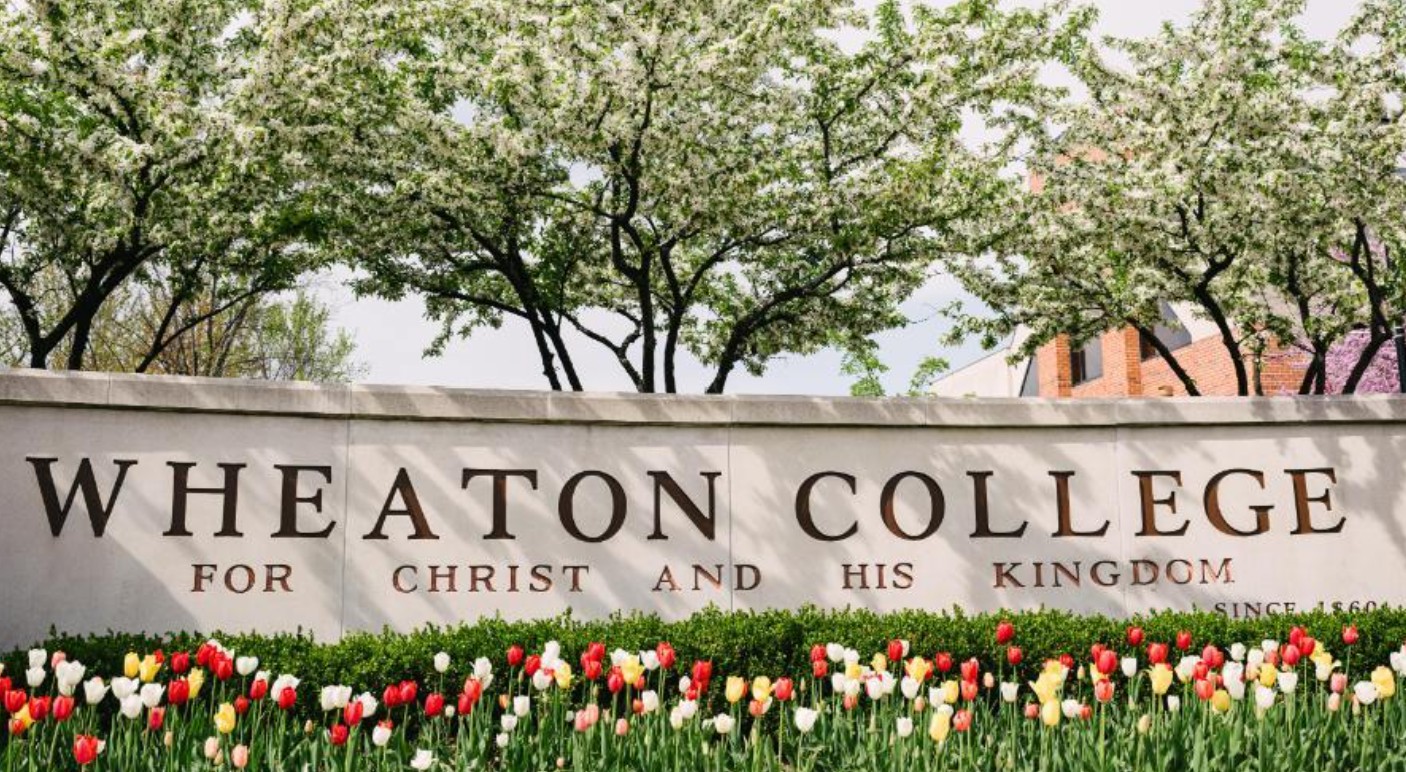
Feroze Golwalla, a Pakistani national and self-described Christian convert from a Zoroastrian Parsee background, founded the Parsee Ministry Team, also known as Baruch Ha Shem International, in 1999 while a graduate student at Wheaton College in Illinois.
Golwalla framed the group as a missionary effort to evangelize Parsee communities in Pakistan and Iran, and it soon drew several students, including Carrie Andreson and twin brothers Andrew and Benjamin Wolfe. Over the following two years, though, former members, law enforcement officials, and researchers say the ministry evolved into a group marked by physical, sexual, and psychological abuse.
Between 1999 and 2001, Golwalla recruited Wheaton students by presenting his work as outreach to an unreached religious group. Former members later described increasingly coercive practices taking hold: sleep deprivation, isolation, and constant surveillance. Members were reportedly limited to three or four hours of sleep a night and required to log mundane details of their personal habits. Golwalla claimed to speak directly for God and treated any resistance to his directives as sin.
By mid-2001, the group traveled to Pakistan, where members underwent intensive fasting regimens. Afterward, the ministry relocated to a basement in Mount Airy, Maryland, where, former members say, its control over participants intensified sharply. In Maryland, former members described being physically and sexually abused. They said Golwalla struck members with rods, forced them to squat outside in freezing conditions, and ordered followers to beat one another for hours with objects including books and cans.
Andreson said she was coerced into self-mutilation and suffered facial injuries from wire coat hangers. The Wolfe brothers reported severe beatings that ruptured their eardrums, along with sexual assault. Members were taught to view this violence as spiritual training meant to purge sin and prepare them for missionary work. Andreson tried to leave the group four times before finally escaping in 2002, after which she spent eight months in a residential recovery program for former cult survivors.
By then, Golwalla had relocated to Dallas, Texas, with the Wolfe brothers. In May 2003, Andrew Wolfe left the group following an intervention arranged by a cult-intervention specialist in Dallas; Benjamin Wolfe departed shortly after. Former members later said their vulnerability to Golwalla’s influence wasn’t a matter of intelligence, but of life transitions that left them open to a leader offering a strong sense of spiritual purpose.
The case also raised broader questions about how academic institutions recognize coercive dynamics within student organizations. Wheaton College had received early warnings from staff and parents about Golwalla’s influence over students and his restrictive practices. The college denied officially sanctioning the 2001 mission trip and said it was unaware of active physical abuse during Golwalla’s enrollment, but in April 2003, once details of the abuse emerged, Wheaton barred him from campus, explicitly citing awareness of cultlike dynamics in his ministry. Golwalla’s undergraduate alma mater, Minnesota State University Moorhead, imposed a similar campus-wide ban in 2009.
Legal action followed as well. In 2003, Maryland prosecutors charged Golwalla with multiple counts of assault and reckless endangerment. The felony charges were later dropped, but misdemeanor charges and an active arrest warrant remained. Because those remaining charges were non-extraditable misdemeanors, Maryland authorities could not extradite Golwalla from Texas.
Key Sources:
The Chicago Tribune. (2004, June 20). Prayer led to pain for cult victims.
LeBlanc, D. (2004, March 22). Bad craziness at Wheaton College. GetReligion.
Wedge, D. (2004, March 21). Students’ tale of cult ‘evil.’ The Boston Herald.
Wright, C. (2003, June 27). Bob Pardon to the rescue. The Boston Phoenix.