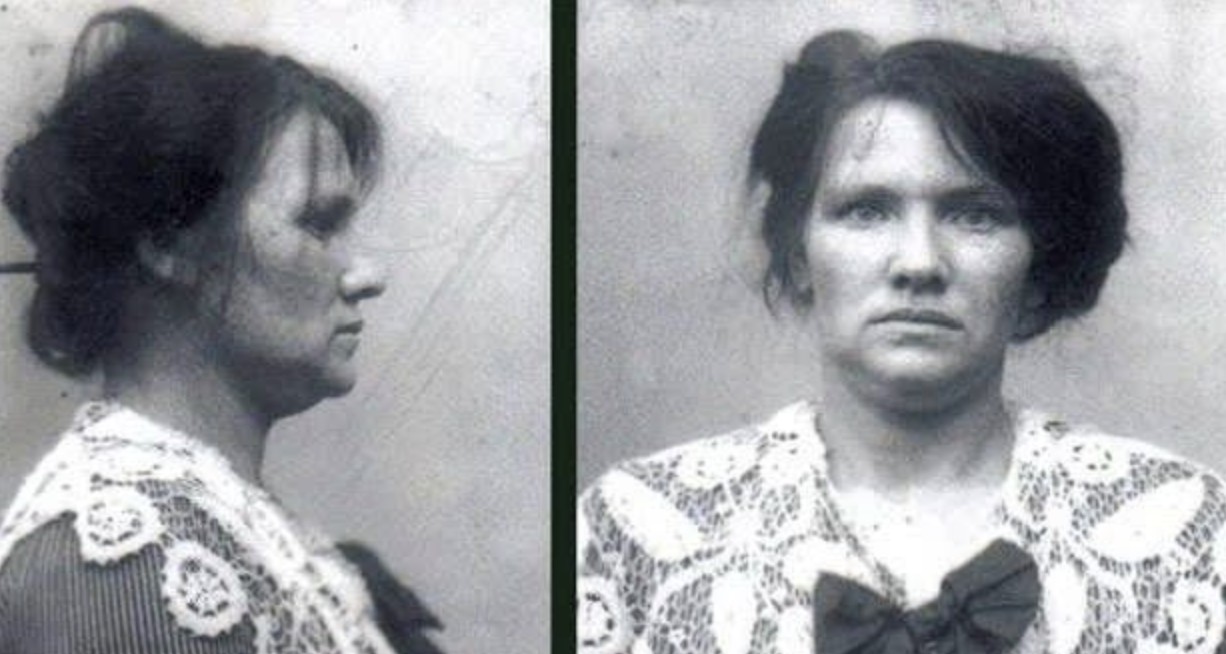
In early 1963, the village of Yerbabuena in Tamaulipas, Mexico, became the center of a criminal episode involving a religious sect led by brothers Santos and Cayetano Hernández. The brothers initially operated a financial scheme, convincing the impoverished and largely illiterate villagers that they were prophets of exiled Incan deities who would soon return to reward their followers with hidden treasure. As the promised wealth failed to materialize, the brothers expanded their demands to include financial and sexual tribute, while encouraging marijuana use and organizing group gatherings.
As skepticism toward the group grew, the Hernández brothers traveled to Monterrey to recruit María Magdalena Solís Castillo. Upon their return to Yerbabuena, the brothers staged a presentation in which they introduced Solís as a divine figure reborn. Followers variously identified her as an Incan deity or the Aztec mother goddess Cōātlīcue. The group accepted her claimed divine status, and Solís gradually assumed an active leadership role alongside the Hernández brothers.
Over time, tensions increased as the group’s promises remained unfulfilled and allegations of abuse continued. Two young members eventually expressed a desire to leave. In response, Solís reportedly ordered their punishment for betraying the group. Other members carried out the order by lynching the two individuals, killing them. The incident effectively discouraged further open dissent among the remaining villagers.
In the weeks that followed, the group became associated with allegations of ritualized violence, including human sacrifice and the collection of victims’ blood to mix with narcotics and animal blood. According to popular accounts, the leaders claimed that consuming the mixture and removing victims’ hearts were necessary to preserve Solís’s eternal youth and appease ancient gods. However, historical researchers who have examined newspaper archives from 1963 have noted that these detailed accounts of ritual practices lack clear primary-source documentation. They also differ considerably from the more limited descriptions published in regional Mexican newspapers at the time.
The group’s activities came to an end following a series of violent events triggered by the murder of Cayetano Hernández on May 31, 1963. Enraged members blamed a local housewife and a visiting farmer for the killing. They bound the two individuals to wooden posts and burned them alive on a pyre. A young witness, Sebastián Guerrero, fled the scene and alerted authorities, prompting a response from state police and military forces.
On the morning of June 1, 1963, security forces arrived in Yerbabuena and encountered gunfire from group members shouting religious slogans. The ensuing shootout killed several people, including police officers, cult members and Santos Hernández. After the confrontation, authorities recovered multiple bodies, including those of Guerrero and police agent Luis Martínez. Both men’s remains showed signs of mutilation.
Authorities subsequently captured Solís and her brother while they were hiding nearby and found them in possession of marijuana. They were later tried and sentenced to 50 years in prison for murders connected to the case. The circumstances surrounding Solís’s life after her incarceration remain unknown.
In the decades since the events in Yerbabuena, accounts of the group and its activities have appeared in numerous true-crime retellings. Some have added details about the alleged rituals that are not clearly supported by contemporary records, complicating efforts to distinguish documented events from later embellishments.
Key Sources:
Casale, S. (2015, March 11). Magdalena Solís: The Blood Drinking High Priestess of Mexico. The Lineup.
Ham, R. (2016). Asesinos seriales mexicanos: Las entrañas de una realidad siniestra. Penguin Random House.
Serial Killer Magazine. (2016, March 16). Magdalena Solis.